
From Platform to Peaks: Car‑Free Thru‑Hikes Across UK National Parks
Step into a journey shaped by timetables and horizons as we explore multi‑day thru‑hikes that start and end at public transport hubs across UK National Parks. Discover routes linking stations, bus interchanges, ridgelines, and coast paths, with practical planning tips, heartfelt stories, and responsible travel guidance. Expect clear logistics, resupply ideas, and itinerary sketches you can adapt to your pace. Share your experiences, ask questions, and subscribe for fresh car‑free itineraries crafted for sustainability, spontaneity, and unforgettable miles between trains and trails.
Planning the Journey: Maps, Timetables, and Realistic Distances
A successful car‑free traverse begins long before your boots meet the path. Match rail and bus schedules to daylight, choose stages that respect ascent as much as mileage, and keep weather windows honest. We blend Naismith’s timing, seasonal considerations, and terrain profiles to set humane days. You will learn how to handle detours, bridge closures, and Sunday service gaps, and where to tuck in a village stop for calories, shelter, and stories that make itineraries breathe beyond GPX lines.

Iconic Car‑Free Routes to Try First

Peak District: Edale to Hathersage via Kinder and Stanage
Step off the Hope Valley Line at Edale, climb to the brooding plateau of Kinder, then arc along gritstone edges toward Stanage and descend into Hathersage, another rail‑served village. Expect peat, sweeping views, and capricious winds. With multiple bailouts to Hope or Bamford by train, you can scale ambition to conditions. Two to three days invite detours to Padley Gorge, while cafés and pubs orbit stations like gentle gravity for hungry walkers.

South Downs Way: Winchester to Eastbourne on Rolling Chalk
Join the ridge near Winchester’s station and surf chalk waves to Eastbourne’s elegant seafront, both served by frequent trains. Water taps, waymarks, and gentle gradients create an inviting multi‑day crossing, culminating at the Seven Sisters’ luminous cliffs. Bivvies must respect local rules, while campgrounds and hostels soften logistics. Strong walkers link villages to resupply by short off‑route dips, then return to airy lanes where larks sing above an ancient, well‑loved trackway.
Cairngorms: Aviemore to Blair Atholl via Gaick or Minigaig
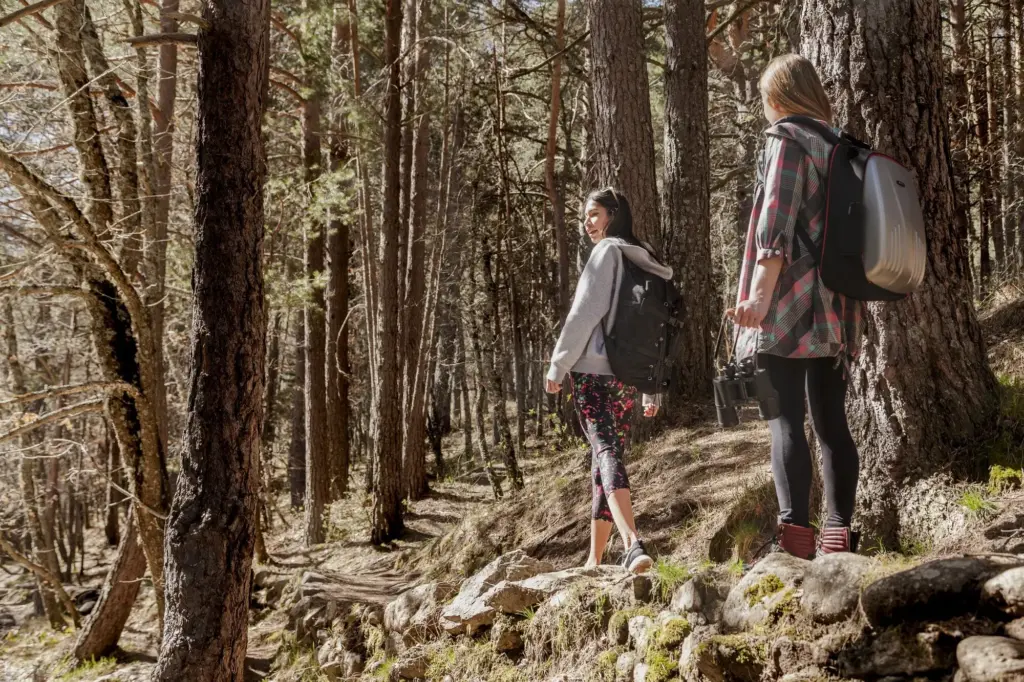
Two railway towns frame a remote, serious crossing through the Cairngorms via the Gaick or Minigaig passes. Expect river fords, sparse shelter, and weather that changes its mind twice before lunch. Bothies can assist, but competence and conservative planning are essential. With trains at either end, you can pivot for storms, shorten to a glen wander, or extend into a high plateau if forecasts gift a perfect window. Wild beauty rewards meticulous, respectful preparation.
Logistics Close to the Platform: Food, Water, and Overnight Options
Sustainable journeys thrive on dependable calories, clean water, and welcoming roofs. We identify towns whose shops open when you arrive, taps or trustworthy sources near camp, and beds that do not require a car. Understand regional differences in access rights, bookable sites, and seasonal closures. With a map of bakeries, buses, and bunkhouses, your pack stays lighter and your plans kinder. The art is timing, so treats and rest appear exactly when spirit and legs ask.
Navigation Under Cloud and Confidence
Gritstone plateaus, moorland trods, and forest rides blur into sameness when clag descends. Practice bearings on clear days, set waypoints at decision nodes, and pace count across featureless ground. Keep spare gloves and a storm hood within reach so you are not tempted to skip checks. A conservative call early often saves a rescue late. Good nav is not just technique but the humility to turn when the land says no.
Weather Windows and Sensible Cutoffs
Forecasts are guides, not guarantees. Define hard limits before you set off: wind speeds where ridges are out, stream heights that stop fords, and temperatures that trigger escape plans. Build shorter variants that rejoin rail lines without self‑recrimination. Emergency layers, a group shelter, and spare food turn misadventure into a practiced pivot. Celebrate reroutes with a pastry in a station café, not with stubbornness on a corniced edge.
Leave No Trace on Busy Paths
Pressure points along iconic routes accumulate small harms fast. Pack out all litter, including tea bags and fruit peels, avoid fires on fragile soils, and camp discreetly on durable surfaces. Step through gates quietly after dusk near farmland. Support local economies by buying from independents who keep early or late hours for walkers. Share accurate trail conditions without geotagging fragile spots, so beauty remains spread across the landscape, not trampled into a single selfie viewpoint.
Story Paths: Moments Between Trains and Trails
Routes become real through memory. We weave short scenes from car‑free crossings that reveal kindness, grit, and the rhythm of arrivals and departures. They carry lessons not as rules but as glimpses of what matters: a steady pace, an open map, and time for wonder. Share your own vignettes or questions below; your experiences help tune future itineraries, warn of washed‑out bridges, and point others toward that life‑lifting bakery near the morning bus.
A squall pinned us on Kinder’s edge, compass steady while grit stung cheeks. We cut the plan, took the flagged path down, and reached Hathersage early, soaked but smiling. A pub fire tendered steam and laughter as the last local train clicked into the platform. Courage was not the summit; it was the decision to pivot while spirits stayed high and the timetable still offered a dry‑seated ride home.
In the Cairngorms’ wide hush, a stag watched us ford, then vanished like weather. The bothy door groaned, tea bloomed, and rain drummed the roof into sleep. Next day, a clearing appeared and so did Blair Atholl’s rails. That soft certainty—a seat waiting, no car retrieval puzzle—let our minds stay out among water, heather, and sky longer than usual, grateful for modern timetables underpinning old mountain freedoms.
We rose before alarm, dawn bleeding peach over the English Channel. A thermos hissed; gulls argued with the wind. Eastbourne’s promenade shimmered like a promise after long days rolling from Winchester. The station café sold kindness with croissants, and our legs negotiated peace with the seats. What stayed wasn’t speed or splits, but how easily the end folded into a platform, a newspaper, and a memory as bright as the chalk cliffs.
Build Your Own Itinerary and Join the Conversation
Let railways and bus corridors be the scaffolding, not the cage. Consider Edale–Hathersage, Brockenhurst–Lymington across New Forest glades, or Whitby–Scarborough along the Cleveland Way’s coastal swing. Then bend the line through viewpoints, heritage waymarks, and quiet valleys you actually want to linger in. A beautiful traverse is a sentence with rhythm: bold opening, persuasive middle, satisfying close, with stations providing neat punctuation rather than dictating the poetry.
Trip memories live in senses, not statistics. Plan snack halts where skylarks sing, aim to reach camp with colour still in the sky, and choose stages that welcome curiosity. Carry fewer just‑in‑case items and more certainty about water and shelter. If knees complain, shrink the day and let a bus bridge a gap. The point is presence: meeting landscapes unhurried, supported by a network designed to bring people, not cars, to wonder.
Help the next walker by reporting downed bridges, seasonal path diversions, or newly generous café hours near stations. Offer alternative exits when storms bully ridges, and celebrate small businesses that go the extra mile for muddy boots. Post questions, upload GPX tweaks, and subscribe so updates meet you before your next departure. The more we pool experiences, the stronger, safer, and more inclusive car‑free adventures become across moors, mountains, forests, and shining, salt‑edged horizons.
All Rights Reserved.